
Iron, Steam Iron & Garment Steamer Price in Pakistan
Iron price in Pakistan starts from Rs. 4,000 and goes up to Rs. 78,000, updated daily in October 2026. Compare live prices across 74 models of 15 brands and filter by type, soleplate type, watts or features to find the right one.
- 100% original with official warranty
- Free delivery across Pakistan on advance payment
- Zero down payment installments
- Prices updated daily
-
Ocean SI315 Steam Iron - 1200W - Anti-Calc Protection - Auto Shut-OffAnti-Calc SystemAnti-Drip SystemAuto Shut-OffSelf Clean FunctionCeramicNon-StickSteam Iron300 mlOriginal price was: Rs. 10,000.Rs. 5,999Current price is: Rs. 5,999.or Rs. 550/mo on installmentsFree delivery
-
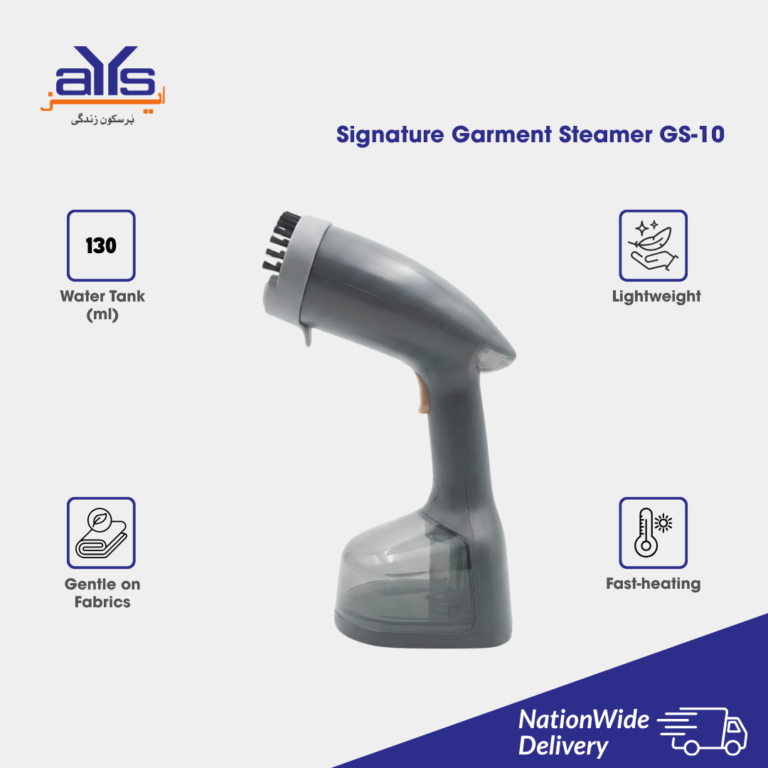
Signature GS-10 Handheld Garment Steamer - Gentle on DelicatesAnti-Drip SystemVertical SteamNon-Stick CoatedGarment Steamer130 ml1000WRs. 15,900or Rs. 1,458/mo on installmentsFree delivery
-
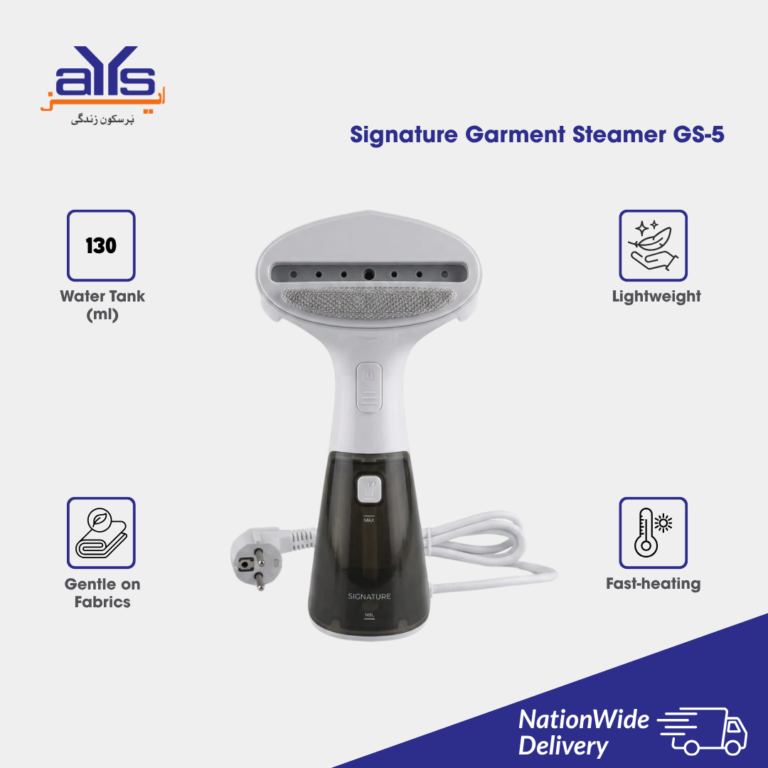
Signature GS-5 Handheld Garment Steamer - Built for TravelAnti-Drip SystemVertical SteamNon-Stick CoatedGarment Steamer130 ml1000WRs. 11,900or Rs. 1,091/mo on installmentsFree delivery
-
Signature GS-12 Handheld Garment Steamer - Built for TravelAnti-Drip SystemVertical SteamCeramicGarment Steamer150 ml1000WRs. 18,900or Rs. 1,733/mo on installmentsFree delivery
-
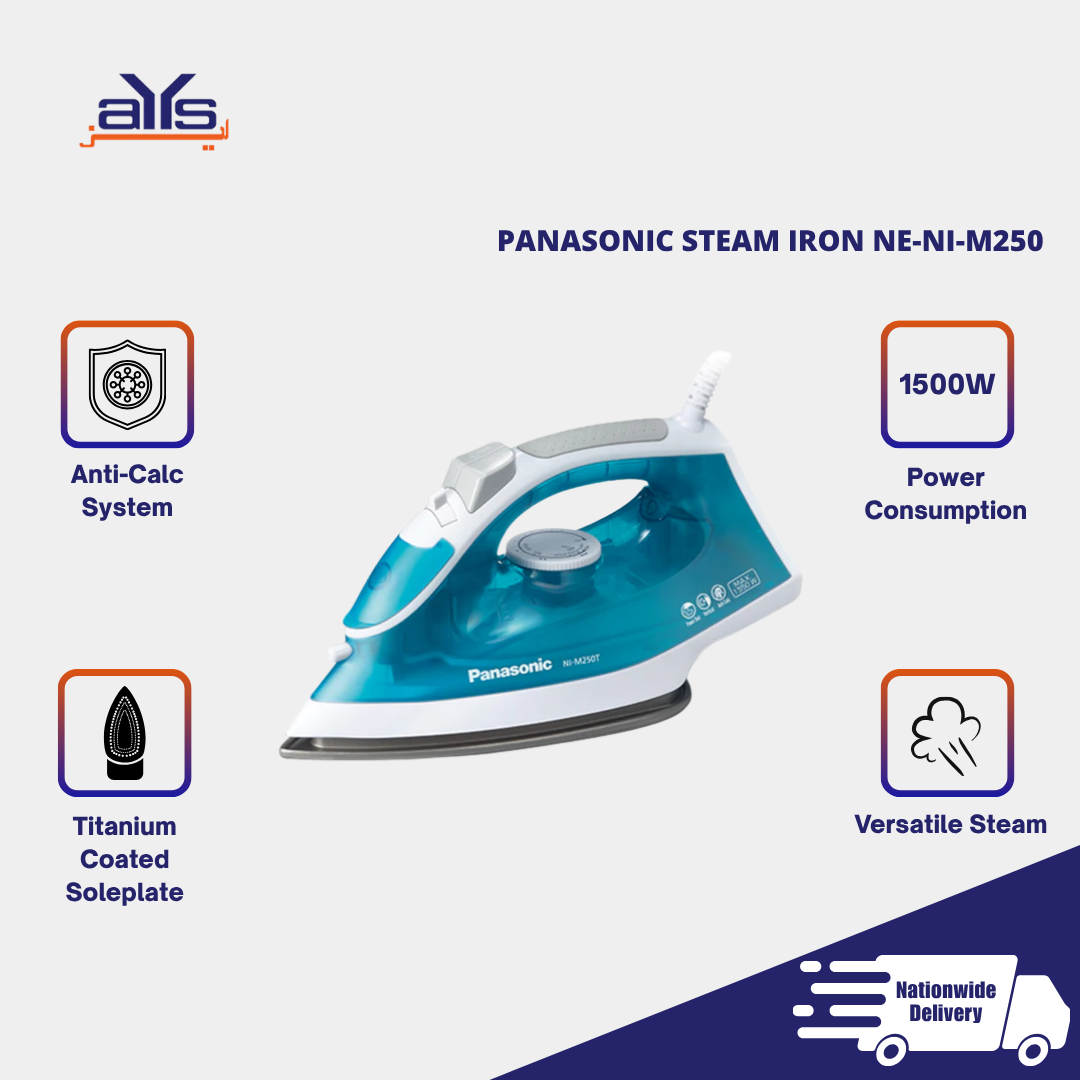
Panasonic NE-NI-M250T Steam Iron - 1550 W - Titanium Soleplate - 210 ml Tank CapacityAnti-Calc SystemAnti-Drip SystemNon-Stick CoatedSteam Iron210 ml1550WRs. 14,800or Rs. 1,357/mo on installmentsFree delivery
-
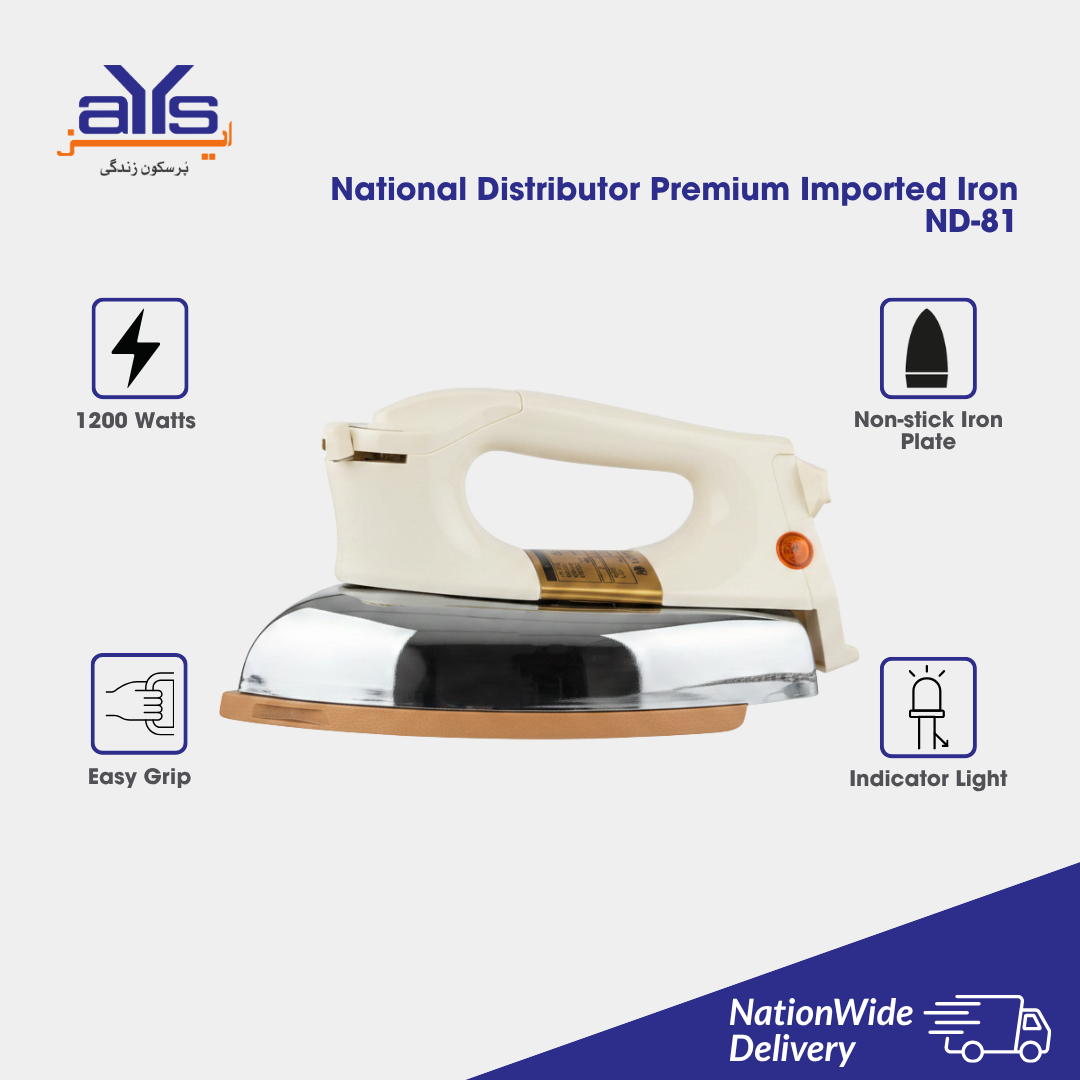
National Distributor ND-81 Premium Imported Iron -1200WAuto Shut-OffNon-Stick CoatedDry IronOriginal price was: Rs. 13,000.Rs. 7,800Current price is: Rs. 7,800.or Rs. 715/mo on installmentsFree delivery
-
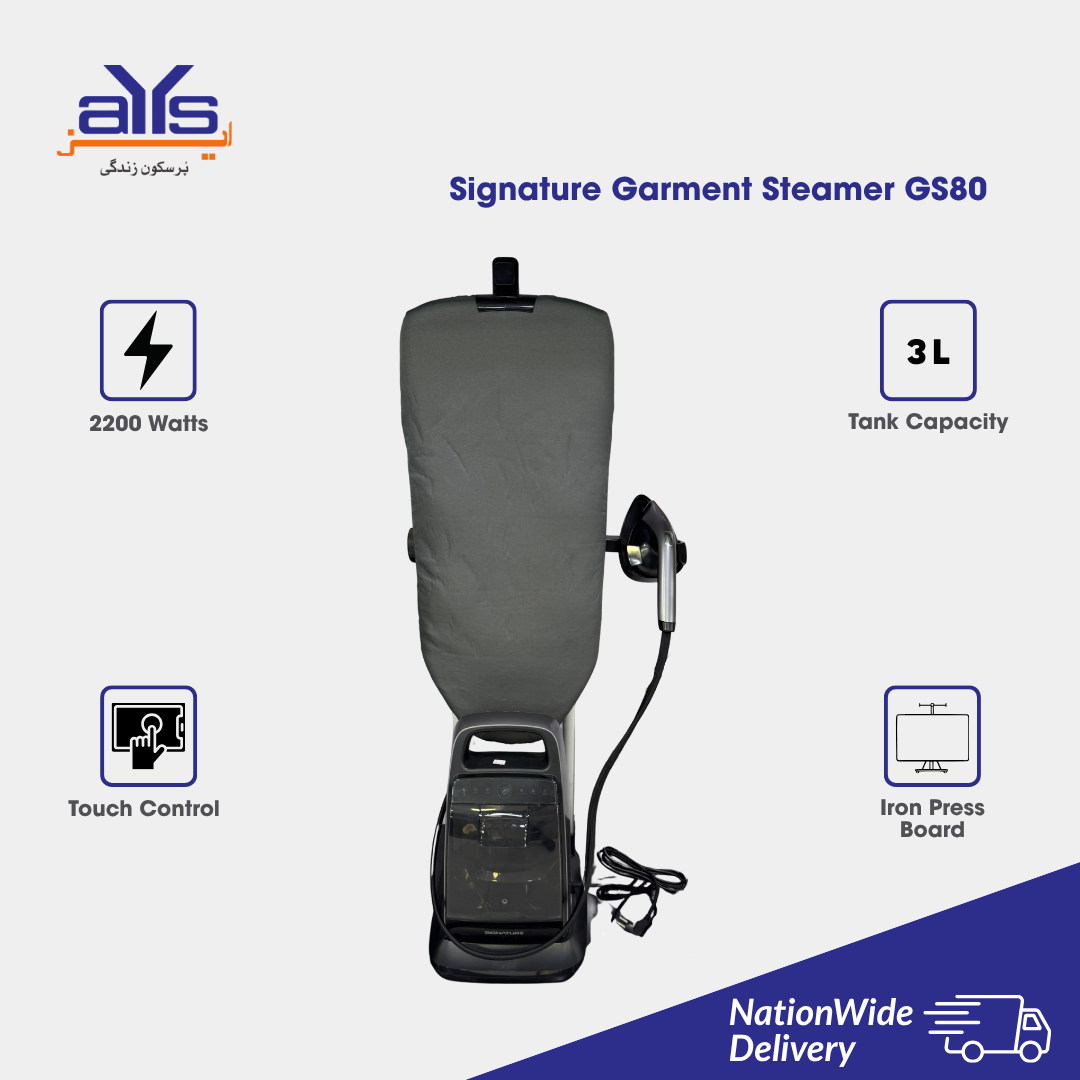
Signature GS80 Garment Steamer - 3 Liters - Smart Touch DisplayAnti-Calc SystemAnti-Drip SystemSelf Clean FunctionCeramicGarment Steamer3000 ml1800WRs. 59,900or Rs. 5,491/mo on installmentsFree delivery
-
Signature SPW20 Dry Iron - 1200W - Non-Stick SoleplateAuto Shut-OffNon-Stick CoatedDry Iron1200WRs. 9,000or Rs. 825/mo on installmentsFree delivery
-
Kenwood STP60 Steam Iron - 2200 WattsAnti-Drip SystemAuto Shut-OffSelf Clean FunctionVertical SteamCeramicSteam Iron300 ml2200WRs. 17,000or Rs. 1,558/mo on installmentsFree delivery
-
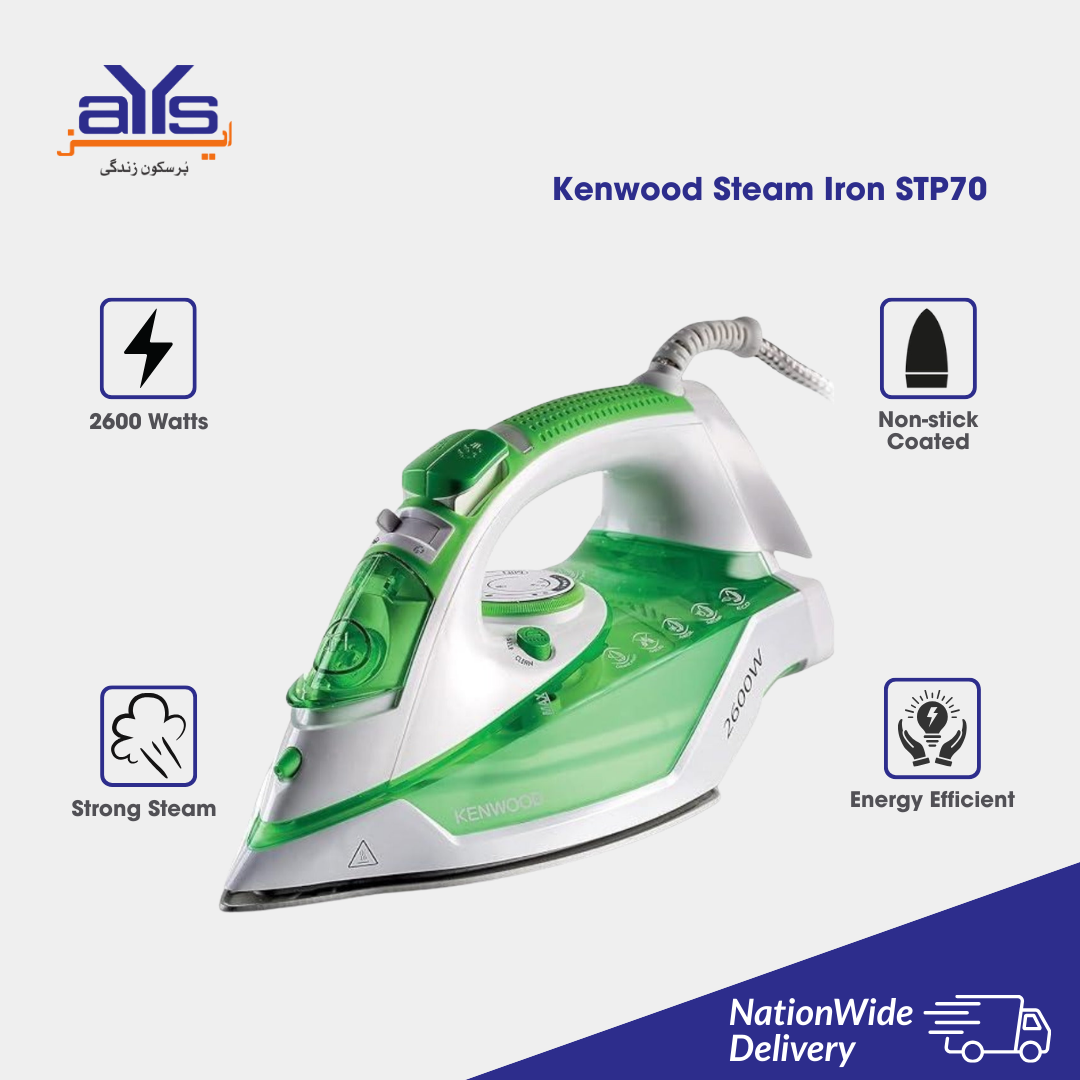
Kenwood STP70 Steam Iron - 2600WAnti-Drip SystemAuto Shut-OffSelf Clean FunctionVertical SteamCeramicSteam Iron350 ml2600WRs. 18,800or Rs. 1,723/mo on installmentsFree delivery
-
Kenwood STP75 Steam Iron - 2600 wattsAnti-Calc SystemAuto Shut-OffSelf Clean FunctionVertical SteamCeramicSteam Iron350 ml2600WRs. 19,800or Rs. 1,815/mo on installmentsFree delivery
-
Kenwood STP40 Steam Iron - 2000 WAnti-Calc SystemAnti-Drip SystemAuto Shut-OffVertical SteamNon-Stick CoatedSteam Iron250 ml2000WRs. 13,100or Rs. 1,201/mo on installmentsFree delivery
-
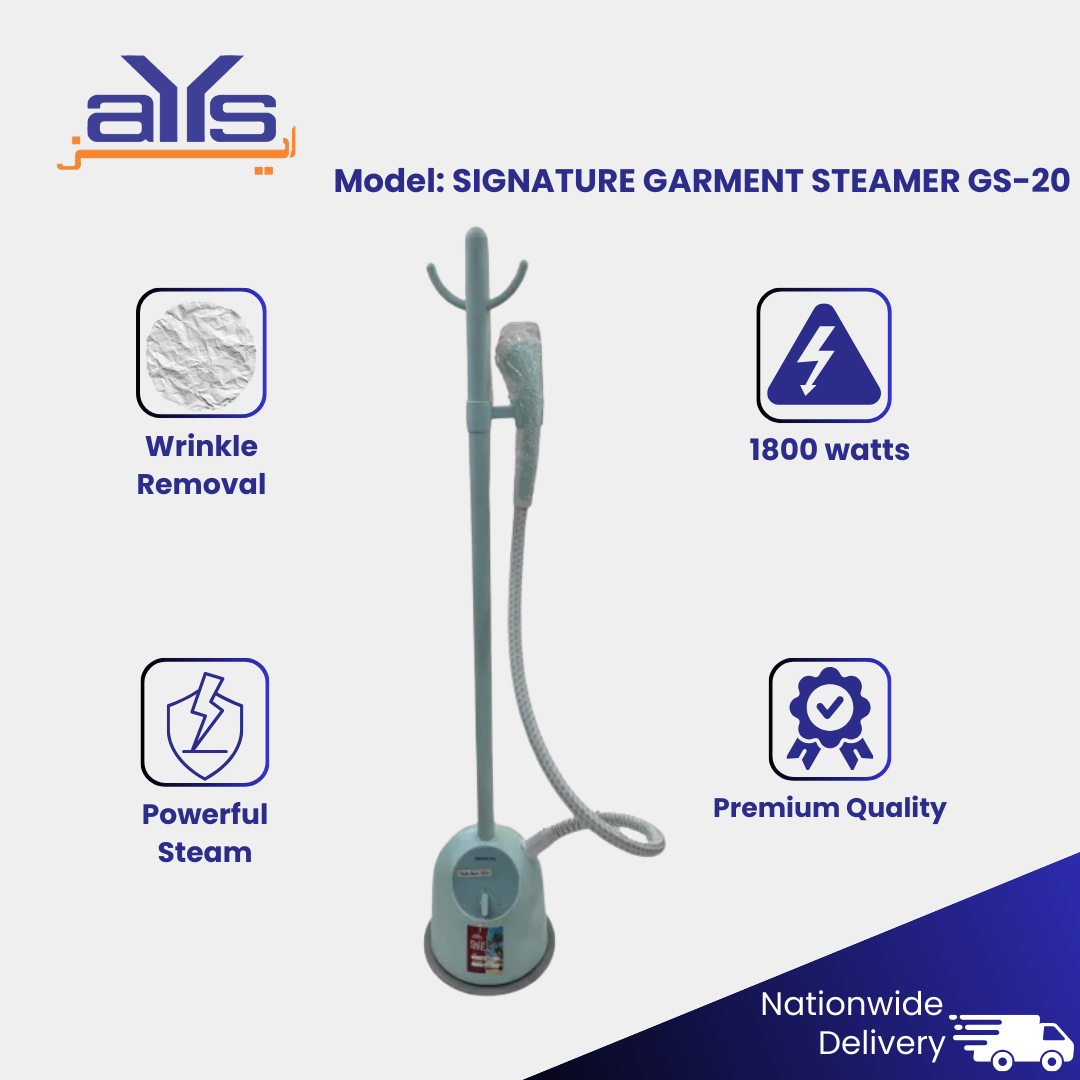
Signature GS-20 Garment Steamer - 1800WAnti-Calc SystemAuto Shut-OffNon-Stick CoatedSteam Iron300 ml1800WRs. 19,900or Rs. 1,824/mo on installmentsFree delivery
-
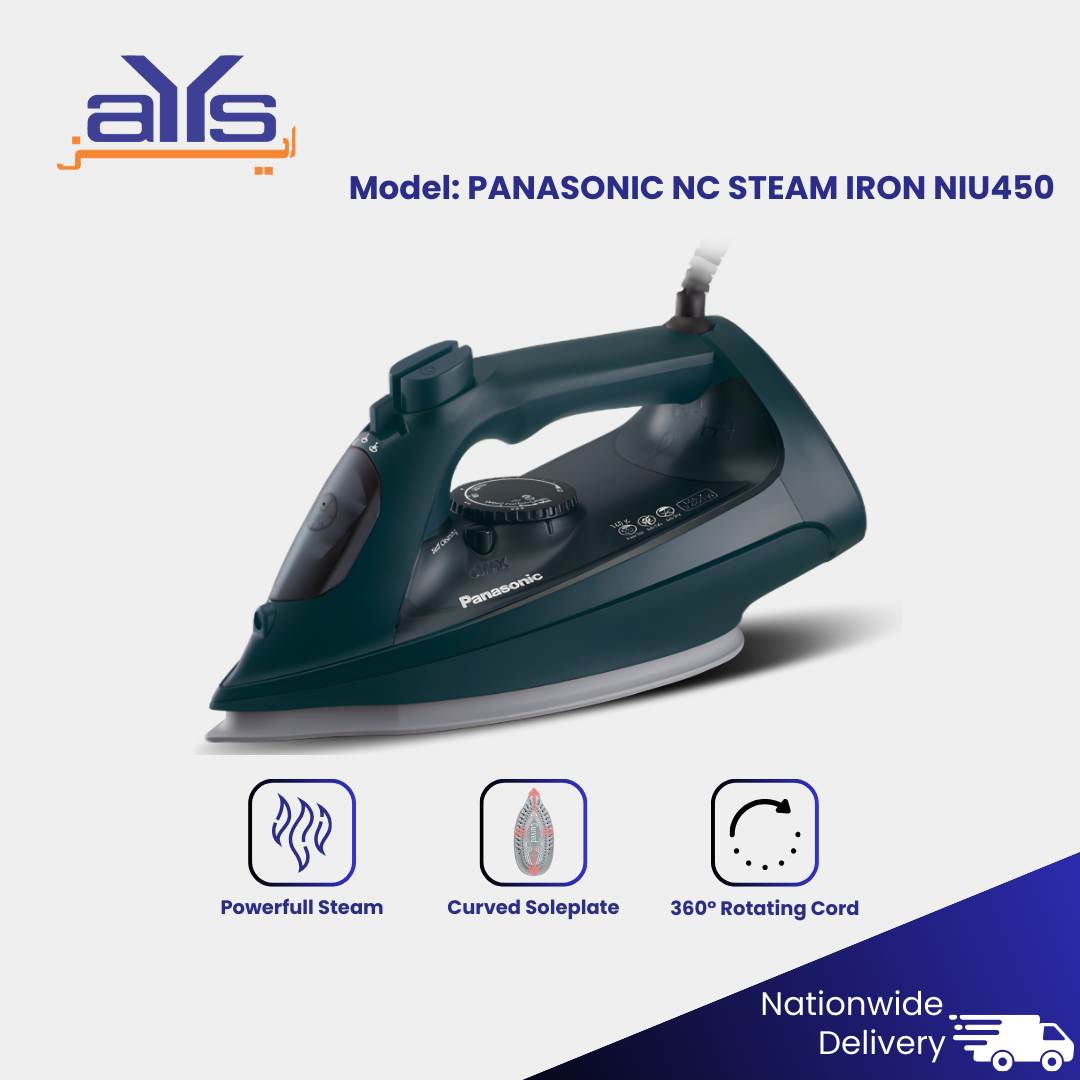
Panasonic NIU450 Steam Iron - 2400 W - Anti-DripAnti-Calc SystemAnti-Drip SystemAuto Shut-OffSelf Clean FunctionCeramicSteam Iron300 ml2400WRs. 23,700or Rs. 2,173/mo on installmentsFree delivery
-
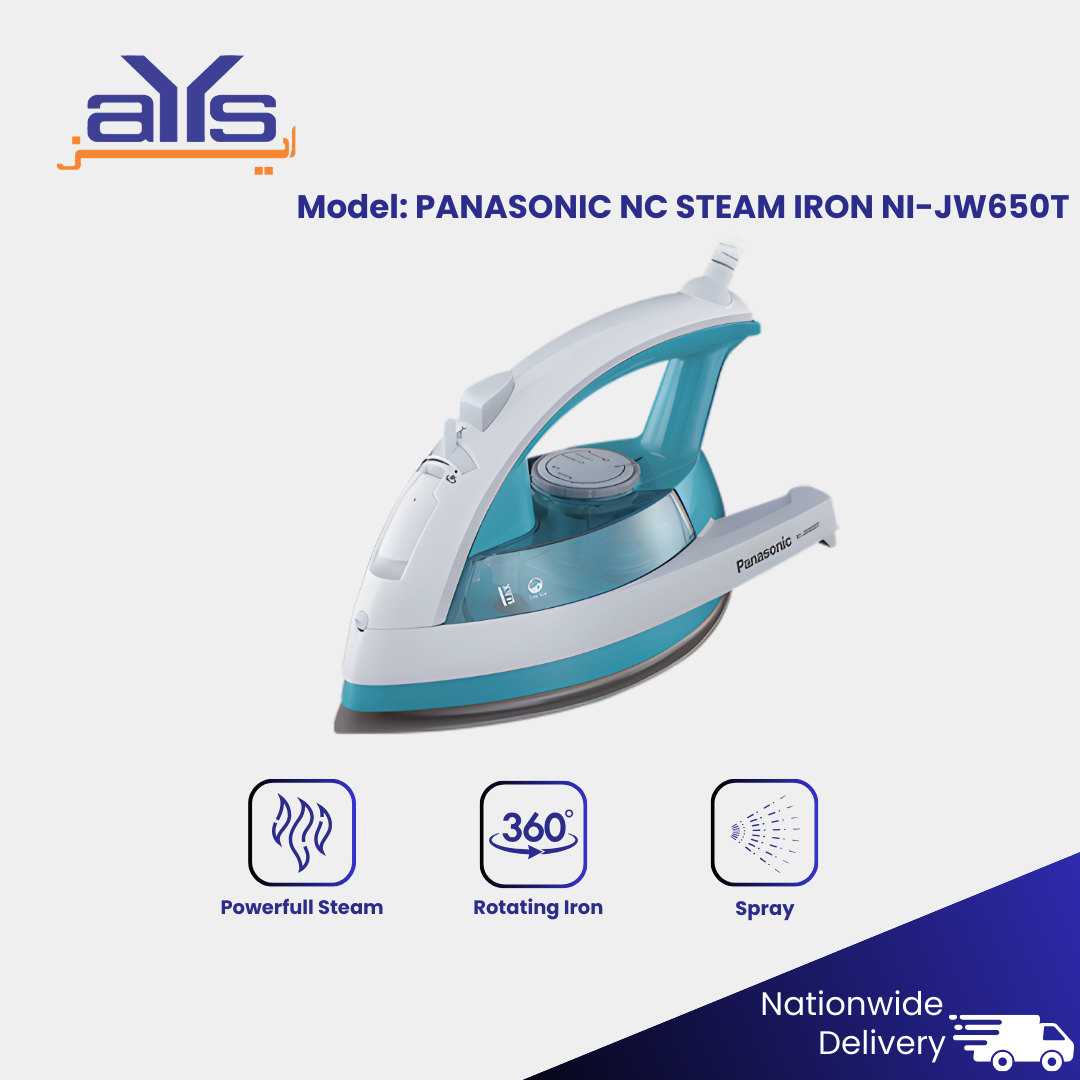
Panasonic NI-JW650T Steam Iron - 2200 W - Anti-DripAnti-Calc SystemAnti-Drip SystemNon-Stick CoatedSteam Iron200 mlRs. 25,600or Rs. 2,347/mo on installmentsFree delivery
-
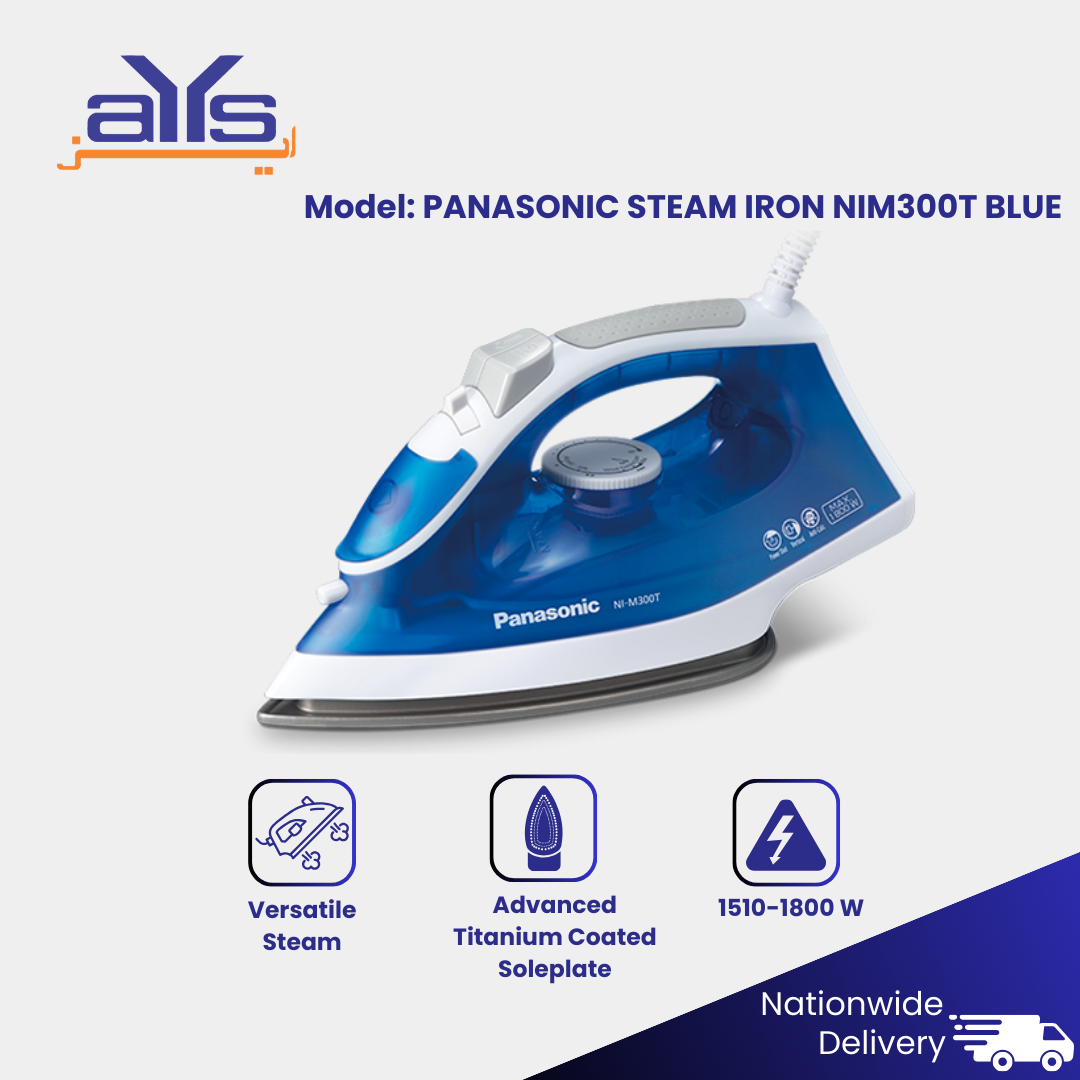
Panasonic NIM300T Steam Iron - 1800 W - Titanium Coated SoleplateAnti-Calc SystemAnti-Drip SystemAuto Shut-OffNon-Stick CoatedSteam Iron200 ml1800WRs. 14,500or Rs. 1,329/mo on installmentsFree delivery
-
Panasonic NI-JW660T Steam Iron - 2200W - Anti-DripAnti-Drip SystemAuto Shut-OffNon-Stick CoatedSteam Iron200 ml2200WRs. 26,800or Rs. 2,457/mo on installmentsFree delivery
-
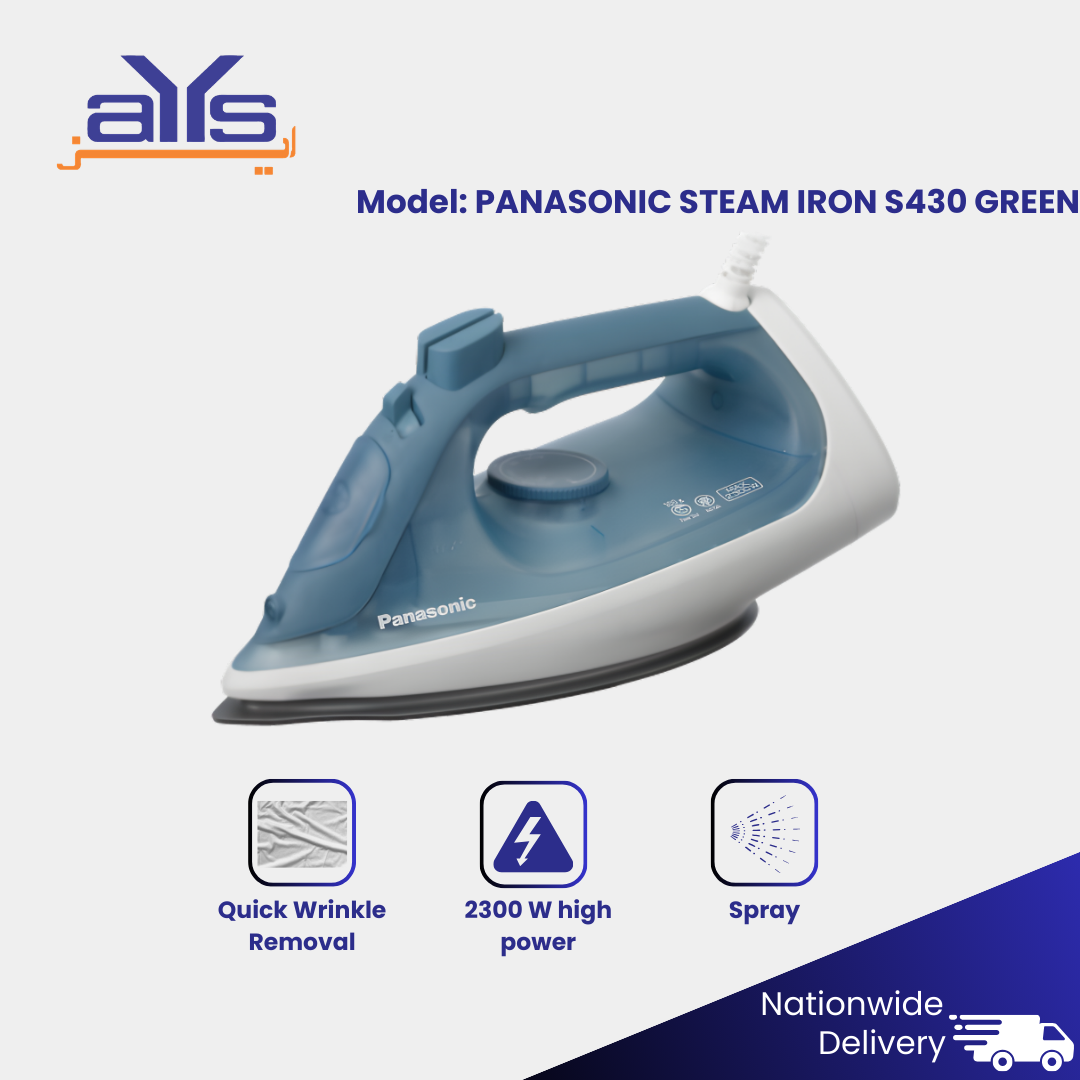
Panasonic S430 Steam Iron - 2400 W - Anti-calc CapsuleAnti-Calc SystemAuto Shut-OffNon-Stick CoatedSteam Iron300 ml2400WRs. 16,000or Rs. 1,467/mo on installmentsFree delivery
-
National Distributor GS-304 - Garment Steamer Non-Stick Soleplate BlueAnti-Drip SystemVertical SteamCeramicGarment Steamer130 ml1300WOriginal price was: Rs. 18,100.Rs. 10,900Current price is: Rs. 10,900.or Rs. 999/mo on installmentsFree delivery
-
National Distributor GS-305 - Garment Steamer 30s Fast Heat-Up White/BlueAnti-Calc SystemVertical SteamCeramicGarment Steamer300 ml1200WOriginal price was: Rs. 18,100.Rs. 10,900Current price is: Rs. 10,900.or Rs. 999/mo on installmentsFree delivery
-
National Distributor ND-61 - Dry Iron 1200W LightweightAuto Shut-OffNon-StickDry Iron1200WOriginal price was: Rs. 13,000.Rs. 7,800Current price is: Rs. 7,800.or Rs. 715/mo on installmentsFree delivery
-
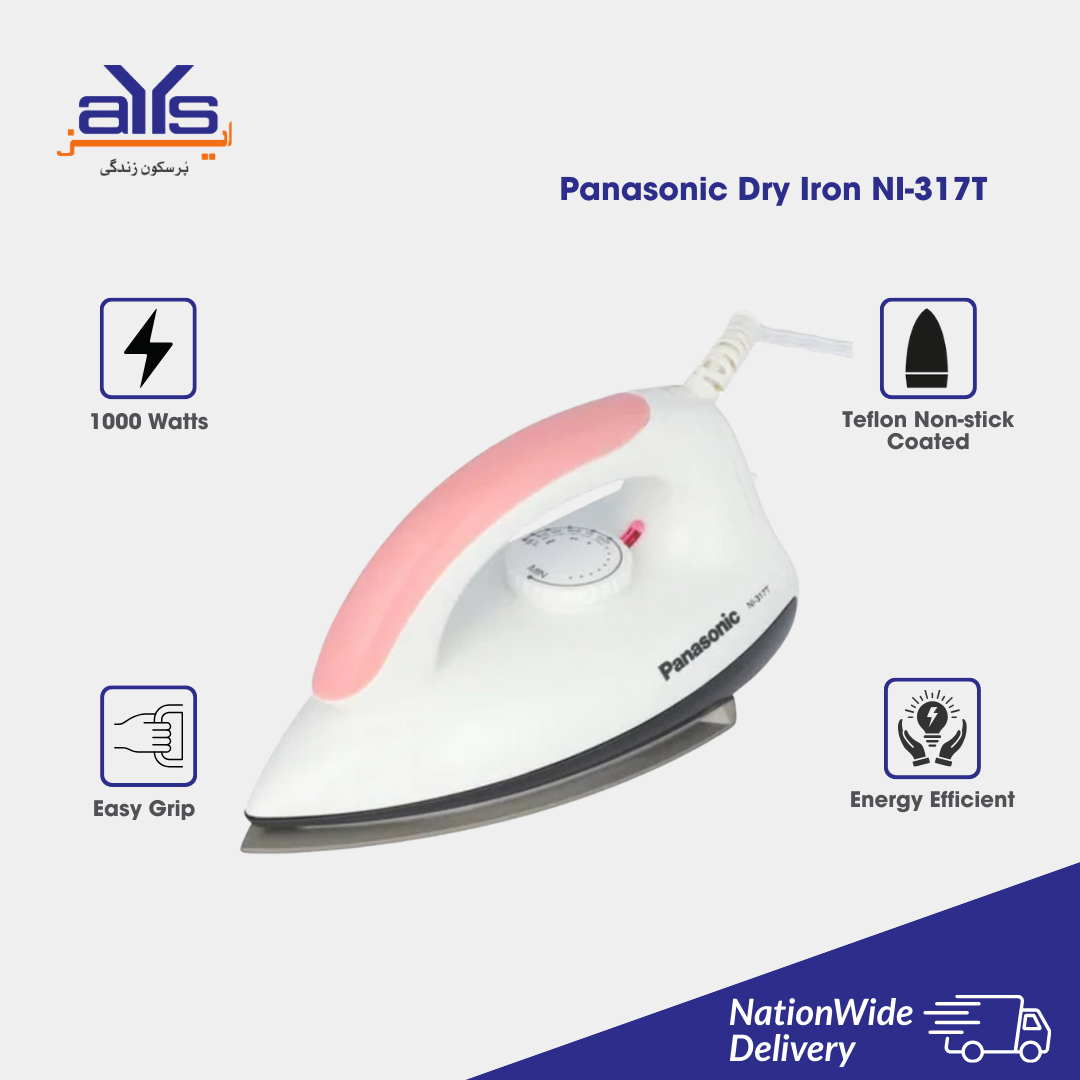
Panasonic NI-317T Dry Iron 1000 Watts Non-StickAuto Shut-OffTeflon CoatedDry IronRs. 10,200or Rs. 935/mo on installmentsFree delivery
-
West Point Garment Steamer WF1155 (3 Liters)Vertical SteamPlasticGarment Steamer3000 ml1600WRs. 22,500or Rs. 2,063/mo on installmentsFree delivery
-
Philips Dry Iron HD1172AluminiumDry Iron1000WRs. 14,000or Rs. 1,283/mo on installmentsFree delivery











Iron prices at a glance
Irons in Pakistan come in three kinds. A simple dry iron is the most affordable, a steam iron costs a little more and removes creases faster on cotton and lawn, and a garment steamer, used upright on hanging clothes, costs the most. This page covers all three, with live prices for each.
“Typical” is the middle price among all models. Every figure on this page updates daily.
Dry iron prices
A dry iron has no water tank. It heats a metal soleplate and presses creases out by weight and heat. It is the simplest and cheapest kind of iron, and a heavier dry iron, the traditional bhari istri, is still many people’s favourite for thick cotton and khaddar.
| Type | Price range | Best for |
|---|---|---|
| Dry iron (lightweight) | Rs. 4,000 – Rs. 14,000 | Everyday ironing on a budget |
| Heavy dry iron | Rs. 4,000 – Rs. 14,000 | Thick cotton, khaddar and shalwar kameez |
| Lite iron | Rs. 9,000 – Rs. 9,000 | Light fabrics and travel |
Steam iron price in Pakistan
A steam iron adds a small water tank, usually 200 to 300 ml, and pushes steam through holes in the soleplate. The steam relaxes the fibres, so creases come out faster and with less pressure, which makes it the best everyday choice for lawn, cotton and mixed fabrics. Its live price range is in the questions at the end of this page.
Most steam irons here run at 1,600 to 2,600 watts. More watts means faster heat-up and stronger steam. Features worth having are vertical steam, which lets you steam hanging clothes and curtains, anti-drip so water does not spot light fabrics, anti-calc for hard water, and auto shut-off.
Garment steamer price in Pakistan
A garment steamer is used upright on clothes hanging on a hanger. It never presses the fabric, so it is gentle on chiffon, silk, georgette and embroidered or sequinned outfits that an iron can flatten or shine. It also freshens curtains and sofa covers.
Handheld steamers are small and light, ideal for travel and quick touch-ups. Standing steamers have a large tank of 1.5 to 3 litres and a pole for hanging, and all-in-one models add an ironing board. A steamer does not give the sharp crease of an iron, so most homes keep both.
Dry iron, steam iron or garment steamer: which should you buy?
Dry iron
Cheap, simple and reliable, with nothing to descale. Choose a 1,000 to 1,200 W model for daily use, or a heavy dry iron for thick cotton.
Best for: tight budgets and cotton.
Steam iron
Faster on almost every fabric and the best all-rounder for a family’s daily ironing of shalwar kameez, shirts and school uniforms.
Best for: most homes.
Garment steamer
Gentle on delicates and formal wear, and quick for a touch-up before going out. Not a replacement for sharp creases.
Best for: chiffon, silk and embroidered clothes.
Heavy dry iron or steam iron for starched shalwar kameez?
For thick cotton, khaddar and starched (kalaf) suits, many families still prefer a heavy dry iron: its weight does much of the pressing. A steam iron is lighter and quicker on lawn, office shirts and mixed fabrics, and it can still give a sharp crease on cotton with steam boost and firm pressure. Most homes that iron a lot of shalwar kameez end up happiest with one of each.
Thick cotton, khaddar and kalaf
A heavy dry iron on the cotton setting, with a little water sprinkled or sprayed on, gives the flattest finish and the sharpest crease. Iron dark colours on the reverse so they do not shine.
Lawn, wash and wear, office shirts
A steam iron relaxes the fibres, so creases come out with fewer passes and less pressure. Vertical steam also lets you touch up a hanging kurta.
Pressing starched clothes
Iron starched clothes while they are still slightly damp. Starch slowly builds a brown film on the soleplate; wipe it off when the iron has cooled.
Sharp creases with steam
Use the cotton setting, press the steam boost button over the crease, then hold the iron down for a second without steam to set it.
Which soleplate is best?
The soleplate is the flat base that touches the fabric. It decides how smoothly the iron glides and how easy it is to keep clean. Premium models also use titanium or durilium coatings.
| Soleplate | Price range | What it is like |
|---|---|---|
| Ceramic | Rs. 5,999 – Rs. 59,900 | Glides smoothly and heats evenly; the best all-rounder |
| Non-stick coated | Rs. 6,800 – Rs. 78,000 | Easy to clean, good for synthetics |
| Non-stick | Rs. 4,000 – Rs. 29,200 | Affordable and easy to clean |
| Teflon coated | Rs. 10,200 – Rs. 10,300 | Light and slippery, but scratches more easily |
| Aluminium | Rs. 14,000 – Rs. 14,000 | Heats fast; found on simple dry irons |
Iron brands and their prices
Each brand’s current price range, the price most of its models sit around, and what it offers. Tap a brand to see its full range.
| Brand | Price range | Typical price | What you get |
|---|---|---|---|
| Panasonic | Rs. 10,200 – Rs. 26,800 | Rs. 14,000 | Titanium-soleplate steam irons from 1,550 to 2,400 W, and dry irons |
| Philips | Rs. 14,000 – Rs. 78,000 | Rs. 25,000 | Steam irons, a steam generator iron, and handheld and standing garment steamers |
| Kenwood | Rs. 10,000 – Rs. 25,600 | Rs. 15,000 | STP steam irons up to 2,600 W, a heavyweight ceramic dry iron and a 2 litre steamer |
| Dawlance | Rs. 7,000 – Rs. 16,500 | Rs. 10,000 | DWSI steam irons with ceramic soleplates, a dry iron and a garment steamer |
| Signature | Rs. 9,000 – Rs. 59,900 | Rs. 14,000 | The widest garment steamer range: handheld, standing and all-in-one, plus steam irons |
| National Distributor | Rs. 6,800 – Rs. 21,300 | Rs. 10,000 | Affordable dry and steam irons, and garment steamers with a press board |
| WestPoint | Rs. 8,800 – Rs. 22,500 | Rs. 10,000 | Dry irons, a steam iron and a 3 litre garment steamer |
| Aardee | Rs. 11,500 – Rs. 14,000 | Rs. 13,000 | Dry and steam irons, including a gold-plated soleplate model |
| Anex | Rs. 29,200 – Rs. 29,200 | Rs. 29,000 | A 2,000 W garment steamer with a 2.2 litre tank |
Watts, heat-up time and electricity
Dry irons usually draw 1,000 to 1,200 watts. Steam irons draw 1,600 to 2,600 watts, and garment steamers 1,500 to 2,000 watts. Higher wattage heats up faster and keeps steam strong, but an iron only draws full power while the thermostat is heating, so the difference on your bill is small. On a home UPS, a lower-wattage dry iron is the safer choice.
Irons on UPS, inverter and solar
An iron is one of the heaviest loads in a home. Its heater draws the full rated watts every time it switches on, then the thermostat turns it off for a while. So a UPS or inverter must handle the full rating plus the fans and lights already running, not just the average.
| Your backup | What it can run | What to know |
|---|---|---|
| 1 kVA UPS (about 800 W) | Not an iron | Even a 1,000 W dry iron is more than it can supply; iron on mains power. |
| 1.5 kVA UPS (about 1,200 W) | A 1,000 W dry iron, just about | Only with little else running; the calculator below shows how close you are. |
| 2 kVA UPS (about 1,600 W) | A 1,000 to 1,200 W dry iron | Steam irons of 1,600 W and more will overload it. |
| 3 kVA inverter (about 2,400 W) | Steam irons up to about 2,200 W and garment steamers | Close to the limit with fans running; the 2,400 to 2,600 W steam irons need about 4 kVA or more. |
| Solar hybrid inverter | Any iron its rating allows | Iron around midday, when the panels supply the power instead of the battery. |
The soleplate does not change how much electricity an iron uses; the watts do. A ceramic iron and a steel iron of the same wattage draw the same power. A garment steamer keeps its heater on for most of the time it is steaming, so it drains a battery faster than an iron of the same wattage.
Electricity and UPS check
The starting figures are a typical 1,000 W dry iron on a 1.5 kVA UPS with fans and lights running. Change them to match your iron and your home; the watts are on each product page.
Pick your iron, how long you iron and your UPS or inverter. See the units and cost a month, and whether the UPS can run it during load shedding.
A 1,000 W dry iron used 30 minutes a day, 6 days a week, uses about 6.5 units a month, roughly Rs. 390. It is close to your UPS limit; switch off other heavy loads while ironing.
Estimates. An iron draws its full rated watts whenever its heater is on, then the thermostat switches it off for a while, so the average is lower than the rating: about half for a dry iron, two-thirds for a steam iron in use, and most of the time for a garment steamer. A UPS or inverter must handle the full rating plus whatever else is running. Check the watt figure on your UPS label; a “1 kVA” home UPS usually gives about 800 W.
Getting the best from your iron
Mind the water
Hard tap water leaves scale that clogs steam holes and spits white flakes. Where the water is hard, use filtered water or mix it with distilled water, and use the anti-calc or self-clean function regularly.
Empty the tank
Pour out leftover water after ironing and store the iron upright, so it does not leak or build up scale.
Sort by fabric
Start with silk, chiffon and synthetics on low heat, then move up to lawn and cotton. Dropping the temperature takes longer than raising it.
Iron embroidery inside out
Turn embroidered kurtas and printed fabrics inside out, or steam them, so the thread and print do not flatten or shine.
Keep the soleplate clean
Wipe a cool soleplate with a damp cloth. Avoid scouring pads and never iron over zips or metal buttons, which scratch it.
Use auto shut-off
An iron with auto shut-off switches itself off if left idle, a real safety feature in busy homes with children.
Hard water: white flakes, brown water and leaks
Tap and boring water in much of Pakistan is hard, and scale is the main reason steam irons start misbehaving. Most problems have a simple fix.
| Problem | Why it happens | What to do |
|---|---|---|
| White flakes or powder on dark clothes | Scale from hard water breaking off inside the iron | Run the self-clean or calc-clean function over a sink, then mix tap water half and half with distilled or RO water, unless the manual says otherwise. |
| Brown water or stains | Old scale and burnt residue in the steam chamber, or starch on the soleplate | Run self-clean, iron an old cloth first, and wipe the cool soleplate. Never add starch, perfume or descaler to the tank unless the manual allows it. |
| Water dripping from the soleplate | Steam used at a setting too low to turn water into steam | Use steam only on the cotton and linen settings, and wait for the light to go off. Anti-drip models stop steam automatically at low heat. |
| Weak steam | Steam holes blocked by scale | Self-clean regularly: every month with hard water, every week with very hard water. |
Anti-calc and self-clean are different. Anti-calc reduces scale forming, often with a cartridge or capsule; self-clean (or calc-clean) is a flush you run to wash scale out. You can filter this page for anti-calc, self-clean and anti-drip models.
Garment steamer: embroidery, denim and busy mornings
Embroidery, beads and sequins
Steam from the reverse, or hold the head a little away from the front, and keep it off stones and beads. Glued stones and glitter can loosen with heat and moisture, so test a hidden spot first.
Denim, khaddar and heavy cotton
A steamer relaxes the wrinkles but will not give the flat, crisp finish of an iron. Models with a heated plate or a press board get closer.
Five shirts before office
For crisp collars and cuffs, a steam iron is usually quicker. A steamer suits a quick touch-up of a suit, dupatta or kurta on its hanger.
Handheld or standing
A handheld steamer is light and good for travel. A standing steamer has a tank of 1.5 to 3 litres, so it can do several outfits or curtains without refilling.
Popular iron and steamer models
One well-priced model from each brand, so you can compare without scrolling the whole range.
| Model | Type and power | Price |
|---|---|---|
| National Distributor ND-61 | Dry iron · 1,200 W | Rs. 7,800 |
| Signature SPW20 Dry Iron | Dry iron · 1,200 W | Rs. 9,000 |
| Panasonic NI-317T Dry Iron 1000 Watts Non-Stick | Dry iron · 1,000 W | Rs. 10,200 |
| Dawlance Steam Iron DWSI 2322 CX | Steam iron · 1,750 W | Rs. 9,900 |
| WestPoint Dry Iron 635A | Dry iron | Rs. 10,000 |
| Kenwood Steam Iron STP 01 | Steam iron · 1,100 W | Rs. 10,000 |
| Philips Dry Iron HD1172 | Dry iron | Rs. 14,000 |
| Aardee ARDI-7621 Iron | Dry iron · 1,000 W | Rs. 14,000 |
Why buy your iron from AYS Online
AYS has been selling home appliances since 1956 and runs 17 showrooms in Peshawar, delivering across Pakistan.
Original with warranty
Every iron and garment steamer is 100% original and carries the official manufacturer warranty, valid across Pakistan.
Free delivery
Free delivery anywhere in Pakistan on advance payment, full or partial, and free inside Peshawar on any payment method.
Easy installments
Zero down payment plans with Bank Alfalah, JS Bank and MCB credit or debit cards, fully online. Bank markup applies.
Price history
Every product page shows a 365-day price history, so you can see whether today’s price is a good one before you buy.
We run seasonal offers often, and paying upfront or in cash can get you a better price than the one listed. Talk to our sales team before you order.
Call or WhatsApp 0333-5652643Iron FAQs
Prices
What is the iron price in Pakistan?
Iron prices in Pakistan start from Rs. 4,000 and go up to Rs. 78,000 for the top steam iron model, across 74 models, updated daily in October 2026. Half of all models cost between Rs. 10,300 and Rs. 19,700, which is where most steam irons sit.
What is the steam iron price in Pakistan?
Steam iron prices in Pakistan start from Rs. 5,999 for the cheapest 1200W model and go up to Rs. 78,000 for the top 2400W model, across 32 models, updated daily in October 2026.
What is the garment steamer price in Pakistan?
Garment steamer prices in Pakistan start from Rs. 10,600 for the cheapest 1200W model and go up to Rs. 59,900 for the top 1800W model, across 23 models, updated daily in October 2026.
Choosing an iron
Is a steam iron better than a dry iron?
For most homes, yes. Steam removes creases faster and with less pressure on lawn, cotton and mixed fabrics. A dry iron is cheaper, simpler and has nothing to descale, and a heavy dry iron still works well on thick cotton.
Can a garment steamer replace an iron?
Not completely. A steamer is excellent for delicate fabrics, embroidered outfits and quick touch-ups on hanging clothes, but it does not give the sharp creases of an iron. Most homes use both.
Which iron brand is best in Pakistan?
Panasonic and Philips are the best-known names for steam irons, Kenwood offers powerful steam irons up to 2,600 watts, Signature has the widest garment steamer range, and Dawlance and National Distributor offer good value.
How many watts should an iron have?
A dry iron of 1,000 to 1,200 watts is enough for daily use. For a steam iron, 1,600 to 2,200 watts gives quick heat-up and steady steam, and 2,400 watts or more suits heavy daily ironing.
Using an iron
Can I use tap water in a steam iron?
Most steam irons accept tap water, but hard water leaves scale that clogs the steam holes. Where the water is hard, use filtered water or mix in distilled water, and use the anti-calc or self-clean function.
Choosing an iron
Can a steam iron give sharp creases on a starched cotton shalwar kameez?
Yes, on the cotton setting with steam boost and firm pressure; hold the iron down for a second without steam to set the crease. Many families still prefer a heavy dry iron for thick, starched cotton, because its weight does more of the pressing.
Is a heavy dry iron better for kalaf (starched) clothes?
For thick starched cotton and khaddar, often yes. Iron while the clothes are still slightly damp, or sprinkle a little water, and wipe the starch film off the cool soleplate from time to time.
Can I run an iron on a 1,000 to 1,200 W UPS?
A 1,000 W dry iron is at the limit of a UPS that gives about 1,200 W, and only with little else running. A “1 kVA” UPS usually gives about 800 W, which is not enough. Steam irons of 1,600 W and more need an inverter of 3 kVA or larger. The calculator on this page checks your own setup.
Does a ceramic soleplate iron use less electricity?
No. Electricity use depends on the wattage, not the soleplate. A ceramic iron glides smoothly and spreads heat evenly, but a 1,200 W ceramic iron uses the same power as any other 1,200 W iron.
Do garment steamers use electricity all the time?
Mostly, while you are steaming. The heater has to keep boiling water, so it stays on for most of the session. An iron’s thermostat switches it off more often, especially a dry iron.
How many units does an iron use a month?
About 6 to 7 units for a 1,000 W dry iron used 30 minutes a day, six days a week, and around 18 to 20 units for a 2,200 W steam iron used the same way. The calculator on this page works it out at your own electricity rate.
Using an iron
Why does my steam iron spit white powder on dark clothes?
That is scale from hard water breaking off inside the iron. Run the self-clean or calc-clean function over a sink, then mix tap water half and half with distilled or RO water, unless the manual says otherwise.
Why is brown water coming out of my steam iron?
Usually old scale and burnt residue in the steam chamber, or starch on the soleplate. Run the self-clean function, iron an old cloth first, and never add starch, perfume or descaler to the tank unless the manual allows it.
What is the difference between anti-calc and self-clean?
Anti-calc reduces scale forming, often with a cartridge or capsule inside the iron. Self-clean, or calc-clean, is a flush you run from time to time to wash scale out. Many steam irons have one or both; you can filter this page by each feature.
Will a garment steamer damage embroidery or beads?
Not if you steam from the reverse, or hold the head a little away from the front, and keep it off stones and beads. Glued stones and glitter can loosen with heat and moisture, so test a hidden spot first.
Can a garment steamer remove wrinkles from denim?
It relaxes the wrinkles, but it will not give the flat, crisp finish of an iron on jeans or heavy cotton. Use a steamer for delicates and touch-ups, and an iron for denim and khaddar.
Buying from AYS
What warranty comes with an iron?
Most irons and steamers carry a 1 year official warranty, and some WestPoint, Signature, Philips and Aardee models list 2 years. The exact term is on each product page, and every unit is 100% original.
Is delivery free, and are there charges on Cash on Delivery?
Delivery is free anywhere in Pakistan on advance payment, even a partial one, and free inside Peshawar on every payment method. Cash on Delivery orders outside Peshawar carry a delivery charge plus government taxes (2% sales tax and 2% income tax), which we confirm by phone before dispatch. Paying any advance removes both.
Can I buy an iron or garment steamer on installments?
Yes. You can pay in installments with zero down payment using a Bank Alfalah, JS Bank or MCB credit or debit card, and the whole process happens online. Your bank’s markup applies, and Bank Alfalah plans also carry a processing fee.
Ask AYS about Iron
Our product experts usually reply within 1 hour, or up to 24–48 hours depending on the complexity of your question.
No published customer questions yet. Be the first to ask our team.