



Best Washing Machine in Pakistan (2026 Review)
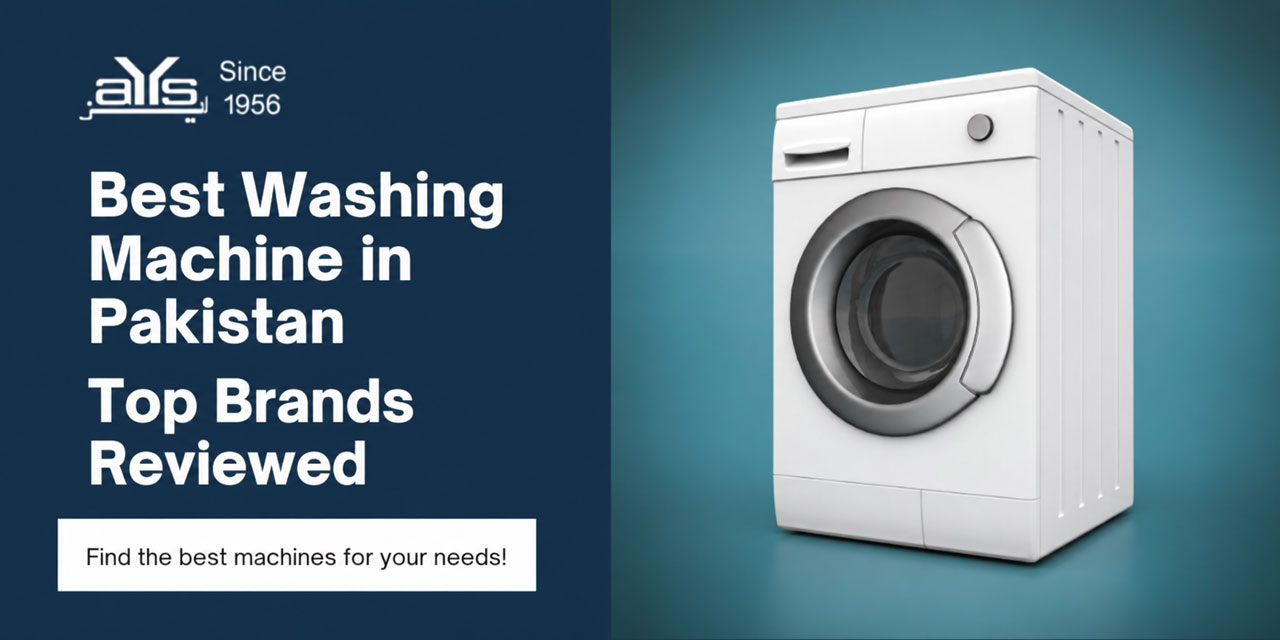
The right washing machine in Pakistan does five jobs at once: handle a full week’s family laundry without breaking, survive WAPDA’s voltage swings, not eat your water bill in a country with chronic shortages, last through 8–10 summers of constant use, and fit the budget. We compared all 110 washing machines currently in stock across Dawlance, Super Asia, Haier, Samsung, LG, GFC, Boss, Metro, Kenwood, Royal, Whirlpool, EcoStar, Electrolux, and Panasonic — and ranked the 10 worth your money in 2026.
Top 10 washing machines compared at a glance
Prices below are pulled live from our catalogue — they update daily, and any out-of-stock model automatically flips to a “View Details” CTA so you’re never wasting a click.

How to choose a washing machine in Pakistan: 7 things that actually matter
Generic “best washing machine” articles tell you to “consider your budget and family size.” Useless. Here’s what specifically matters for Pakistani homes in 2026 — the questions our customer service team answers every week.
1. Twin tub vs. top-load automatic vs. front-load — pick the right category first
This is the single most important decision, and most buyers reverse it: they fixate on a brand, then try to fit a type. Do it the other way. Three categories, very different propositions:
- Twin tub / semi-automatic (Rs. 23,000–50,000) — Two separate tubs: one washes, one spin-dries. You move the clothes between them manually. Cheapest, most water-efficient, easiest to repair locally. Used by ~60% of Pakistani households. Trade-off: it’s manual labour every wash.
- Top-load automatic (Rs. 50,000–170,000) — One tub, fully automated wash + spin + drain cycle. You load the clothes, press start, walk away. Uses more water than twin tub (120–180L per wash vs. 40–60L) but saves hours per week. The mid-class default.
- Front-load automatic (Rs. 122,000–400,000) — Drum tumbles horizontally. Best wash quality, least water consumption (50–80L per wash — half what top-loads use), gentler on clothes, but expensive. The premium choice and the right one for water-scarce cities.
2. Capacity (kg) vs. family size — bigger is not better
Capacity is measured in kilograms of dry laundry. The rule of thumb:
- 5–7 kg — bachelors, couples without kids, hostel rooms
- 8–9 kg — families of 3–4 (the sweet spot for typical Pakistani households)
- 10–12 kg — families of 5–6, weekly heavy bedding/curtain washing
- 14 kg+ — joint families of 7+, or homes that wash all bedding weekly
Buying a 14 kg machine for a family of three doesn’t make the wash better — it wastes water and electricity (the motor still spins the full drum). And it takes up more space in your laundry area, which in most Pakistani homes is already tight.
3. Inverter motor vs. standard motor — when it actually matters
“Inverter” in washing machines means a BLDC motor that varies its speed instead of running at one speed. Three benefits:
- 40–60% lower electricity — a standard 500W motor running for a 1-hour wash 4 times a week costs roughly Rs. 6,000–8,000/year in electricity. An inverter equivalent costs Rs. 3,000–4,000.
- Quieter — significant on top-load models where the motor sits inches from where you’re working
- Longer life — fewer moving parts, less wear. Inverter motors typically last 10+ years vs. 6–8 for standard motors.
The catch: inverter machines cost Rs. 15,000–30,000 more upfront. For a daily-use machine that’s worth it. For a twice-a-week machine in a small household, the payback period stretches to 4–5 years and the maths gets thinner.
4. Copper-winding motor + voltage stability
Pakistani neighbourhood voltage swings between 180V and 240V during peak summer load. Aluminium-wound motors burn out fast under these conditions — typically within 3 summers. Look for “copper winding” or “100% copper” in the specifications. Every fully-automatic machine in our top 10 uses copper winding. Pair the machine with a Rs. 2,500–4,000 voltage stabilizer if your area has frequent dips. It protects a Rs. 70,000 machine and most warranty claims we see are voltage-related, not manufacturing defects.
5. Wash programs — most are marketing
Modern machines advertise 8, 10, 12, even 15 wash programs. The truth: 90% of users only ever use 3 — Normal, Heavy, and Delicate. Don’t pay extra for “Curtain Wash”, “Wool Care”, “Baby Wash” etc. unless you’ll genuinely use them. What matters more: Quick Wash (15–30 min program for lightly soiled clothes), Heavy / Bedding (for thick bedsheets and quilts), and Spin-only (for items washed separately by hand).
6. Body material: plastic vs. metal
For twin tubs: plastic body (rust-proof, lighter, repairable) is fine for 90% of buyers. Metal body lasts longer but rusts in humid coastal cities. For automatics, the inner drum should always be stainless steel — confirm this on the spec sheet. The outer body is plastic or metal depending on model; both are fine if reasonably built.
7. Service network — the silent dealbreaker
This is what separates good brands from bad in Pakistan. A washing machine will need service within its first 3 years — that’s near certainty. What matters is whether the service tech can reach your city, whether parts are stocked locally, and whether you’ll wait 2 days or 2 months for a repair. Service network ranking, based on coverage across Pakistan:
- Dawlance — deepest network, parts available in even small cities
- Super Asia — strong nationwide, especially north Punjab and KPK
- Haier — good coverage in metros, weaker in small towns
- Samsung / LG — official service centres in major cities, slower outside them
- GFC / Boss / Metro — regional strength, weaker outside their core areas
Our top 10 washing machines in Pakistan, reviewed
Every model below is in stock at AYS Online, comes with the official manufacturer warranty, and is available on 0% down payment EMI through Bank Alfalah, JS Bank, and MCB credit and debit cards.
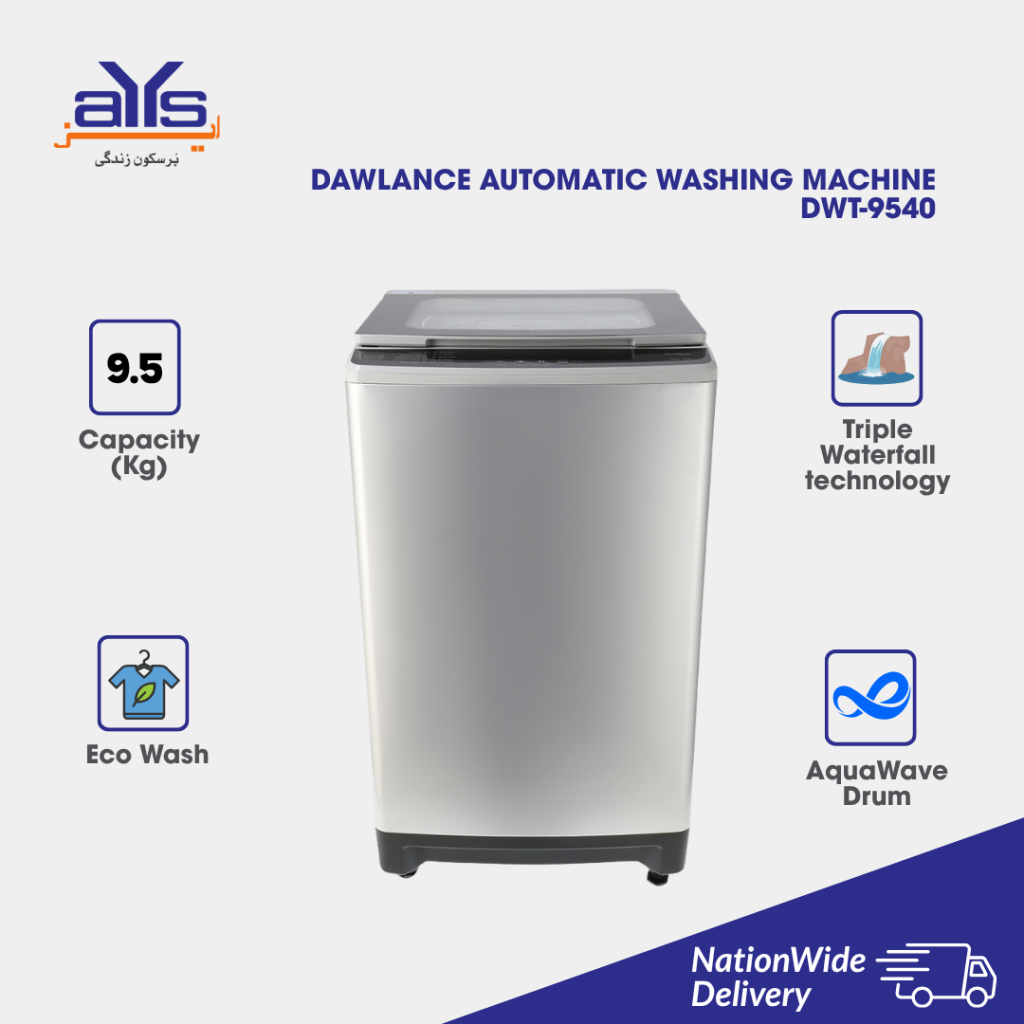
The Dawlance DWT-9540 is the washing machine we recommend when someone asks “I just want something that works and lasts.” Dawlance is Pakistan’s most-serviced appliance brand — there’s a service technician within 50 km of you almost regardless of which city you live in. The 9.5 kg capacity is the goldilocks size: enough to handle a family of 4–5 without being so big that you waste water on small loads. Top-load automation removes the manual labour of twin-tub machines without forcing you into the premium tier. It doesn’t have an inverter motor, so the electricity bill is slightly higher than premium models, but the price difference (Rs. 35,000+ less than equivalent inverter machines) more than compensates for the extra electricity over the machine’s lifetime.

Not every Pakistani household needs Rs. 70,000+ of automation. If your budget is tight, your kitchen-side laundry area is small, and you’re comfortable with the 5 minutes of manual transfer between wash and spin tubs, the Super Asia SA245 is the smart buy at Rs. 37,300. Super Asia has been manufacturing washing machines in Pakistan since 1975 — they were the country’s first local manufacturer, and the service network reflects that 50-year head start. Parts are cheap, technicians know the design inside-out, and a well-maintained Super Asia twin tub lasts 8–10 years. For first-time buyers, students setting up homes, and budget-conscious families, this is the right pick.

Below this price, fully-automatic washing machines come from no-name brands with unreliable service. The Haier HWM85-1269S6 is the entry-level threshold worth crossing. At Rs. 50,000 you get full automation (load it, press start, walk away), a respected brand, an 8.5 kg drum that fits most family loads, and a stainless steel inner tub. There’s no inverter motor at this price point — but for households washing 3–4 times a week, the electricity savings of an inverter wouldn’t justify Rs. 20,000 more anyway.
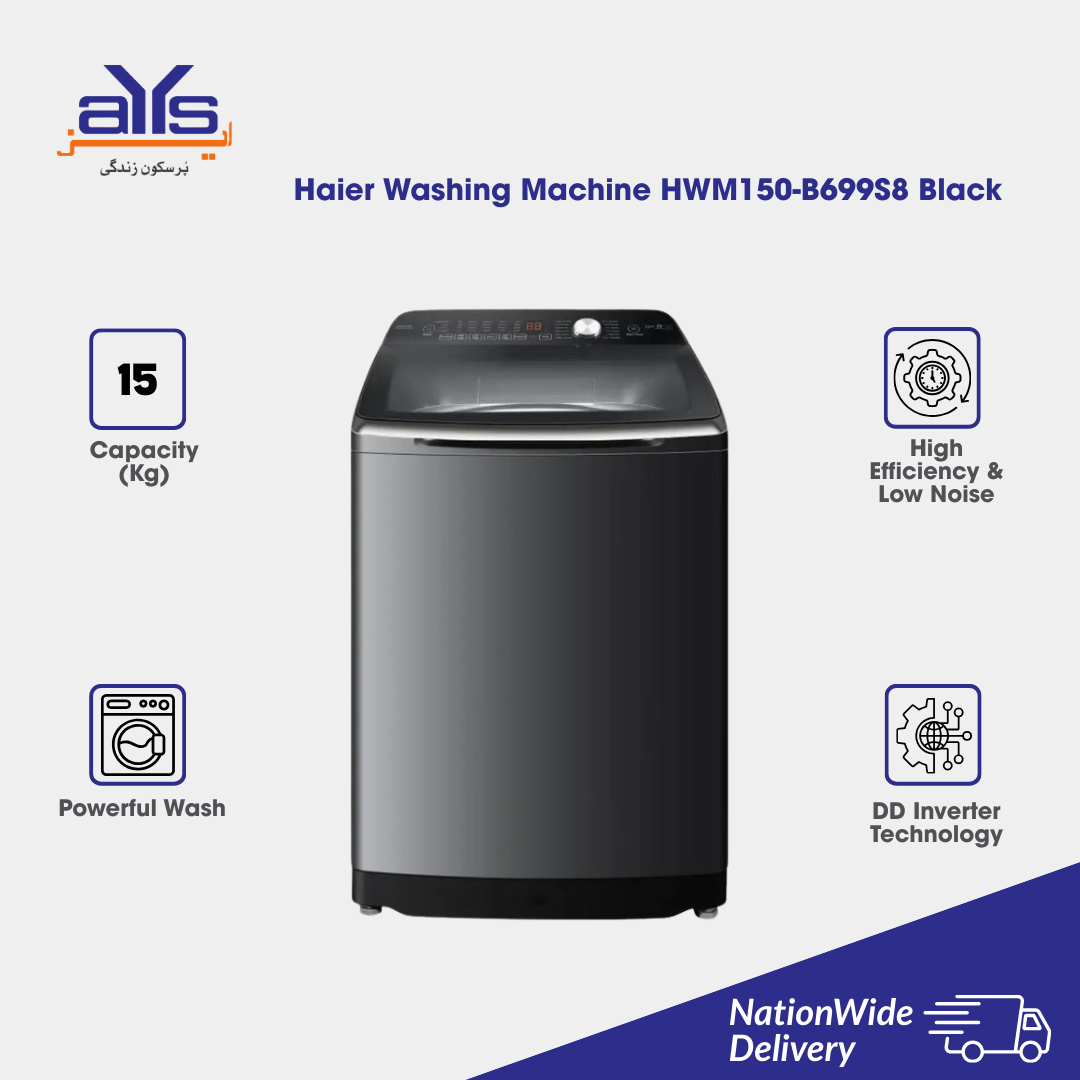
“Direct Drive” means the motor connects straight to the drum with no belt — fewer parts to wear, quieter operation, and better energy efficiency than a belt-driven machine. The Haier HWM150-B699S8 packs this into a 15 kg drum, big enough for any Pakistani household including joint families. The Rs. 105,000 price feels steep, but the long-term maths works: roughly Rs. 3,000–4,000 saved in electricity per year vs. a standard top-load, plus the DD motor’s reputation for 10+ year lifespan vs. 6–8 for belt drives. For households washing 4+ times a week, this pays back within 3 summers.

For joint families, large households, or anyone who washes thick bedding (razais, curtains, mattress covers) regularly, a 14 kg machine is genuinely useful — not just bragging-rights capacity. The Dawlance DWT-14470 ES handles all of this in a top-load form factor at Rs. 89,500. The equivalent capacity in a front-load machine costs Rs. 200,000+, so unless you’re specifically in a water-scarce area where the lower water consumption justifies the premium, this is the right call. Dawlance reliability and service apply here as in the #1 pick.
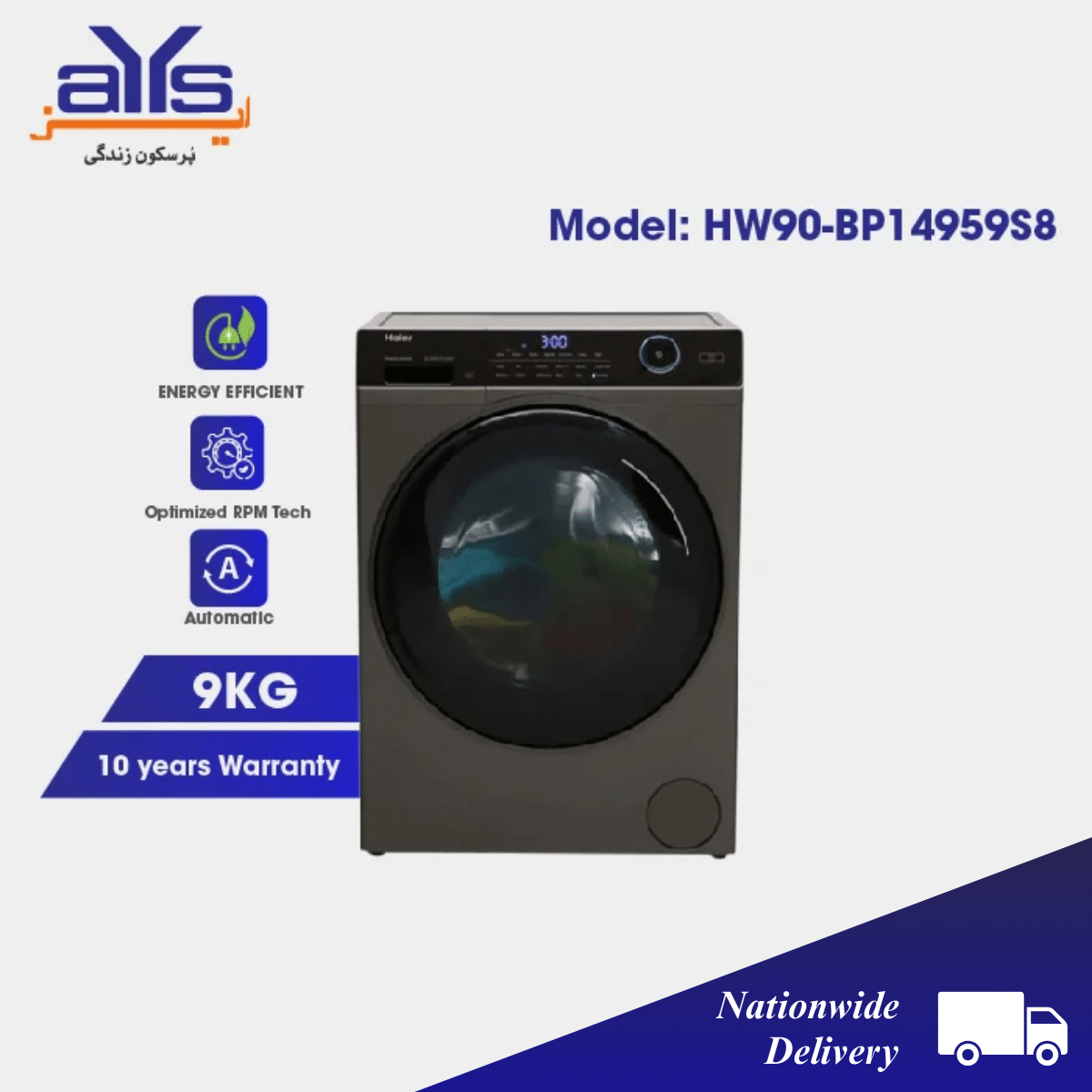
Front-load machines outperform top-loads on three metrics that matter in Pakistan: water consumption (50–80L per wash vs. 120–180L), wash quality (the tumbling action cleans more thoroughly than agitation), and clothes longevity (less abrasion). The catch is the price entry point — until you hit ~Rs. 122,000 you can’t find a front-load worth buying. The Haier HW90 at Rs. 165,000 hits the sweet spot: Super Inverter motor, 9 kg drum, and Haier’s now-extensive Pakistani service network. For families in Karachi, Quetta, or anywhere with water rationing, the water savings alone repay the price difference vs. a top-load within 3 years.

Samsung’s Digital Inverter Motor has a 10-year manufacturer warranty (verify current terms on the product page) — a signal of how confident they are in the technology. At Rs. 170,000 this is premium territory, but the per-rupee proposition is strong: Korean brand quality, 15 kg drum, top-load convenience (easier to load than front-load for elderly users), and Samsung’s after-sales service through official outlets in every major city. If you’ve ruled out front-load for ergonomic reasons (back problems, mobility issues) but want premium build and inverter efficiency, this is the pick.
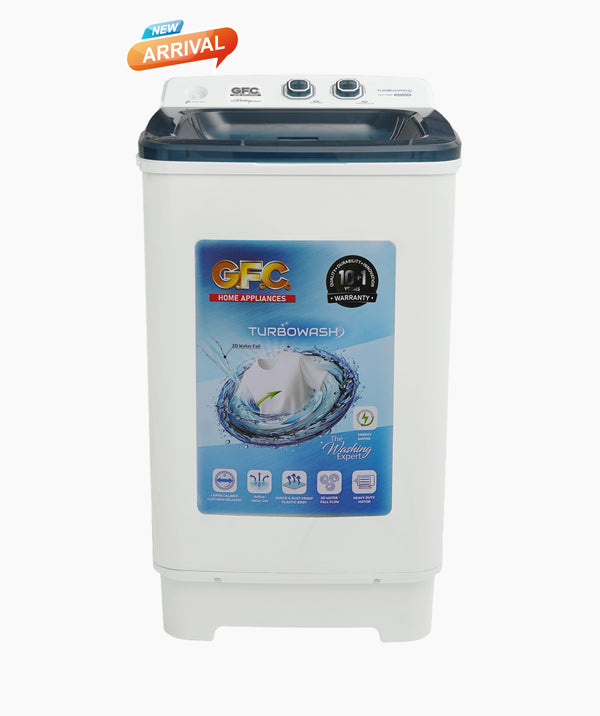
Below the twin-tub price tier sits the single-tub semi-automatic — one drum that washes, with manual spin or wringing for drying. It’s the simplest washing machine you can buy. The GFC GF-1211 Pro at Rs. 29,800 gives 11 kg capacity in this category — unusually generous for the price. For hostels, small businesses, or households genuinely shopping under Rs. 30,000, this beats every alternative we tested. Build quality is honest (no premium frills), GFC service is reliable in Punjab and Sindh, and the simplicity means fewer things can go wrong.

Pakistan’s monsoon (July–September) and winter (December–February) make outdoor clothes drying unreliable for months at a time. A washer-dryer combo solves this — load wet clothes after the wash cycle and they come out dry. The Samsung WD70TA046BX washes a 7 kg load, then dries up to 5 kg of it in the same drum. At Rs. 223,000 it’s premium territory, but compare against buying a separate Rs. 100,000+ dryer plus the floor space to keep both — the combo saves money and space. The EcoBubble technology pre-dissolves detergent in cold water, which also reduces electricity vs. heating water for traditional washes.
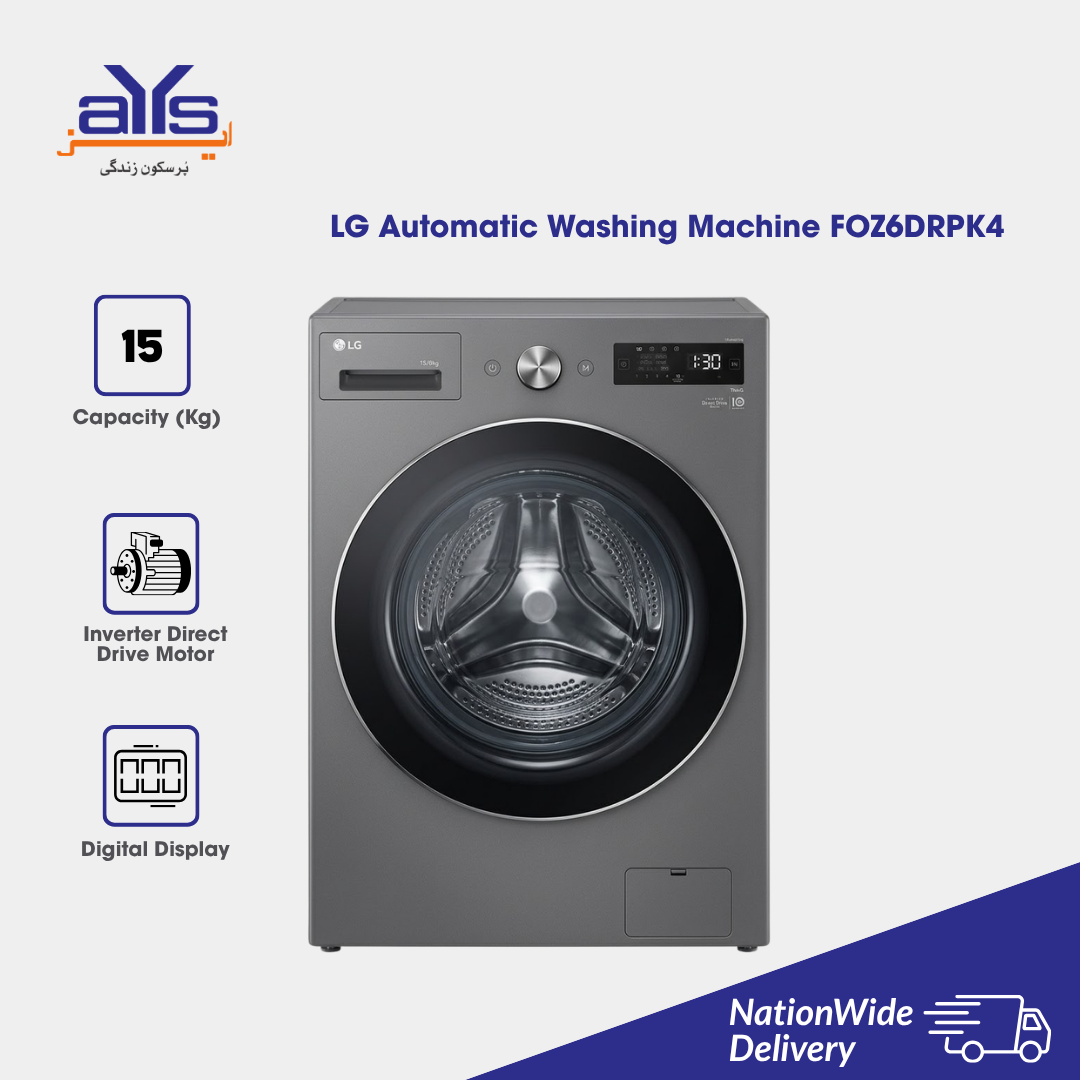
The LG FOZ6DRPK4 is the most advanced washing machine on this list, and the price reflects it — Rs. 350,000. The AI Direct Drive motor senses fabric type and weight and adjusts the wash pattern automatically; TurboWash finishes a full 15 kg load in under an hour; the inverter motor is rated at 10 years (current warranty terms on the product page). This isn’t a value pick — at this price you’re buying the best front-load technology currently available in Pakistan. For new homes, professional households, or anyone for whom the price isn’t the binding constraint, this is the flagship.
Best washing machine by use case
Different households need different machines. Here’s the quick lookup for the most common Pakistani scenarios.
| If you need… | Buy this | Price |
|---|---|---|
| Best overall, safe choice | Dawlance DWT-9540 (9.5 kg) | Rs. 70,000 |
| Lowest price — twin tub | Super Asia SA245 (8 kg) | Rs. 37,300 |
| Lowest price — automatic | Haier HWM85-1269S6 (8.5 kg) | Rs. 50,000 |
| Lowest electricity bill | Haier HWM150 DD Inverter (15 kg) | Rs. 105,000 |
| Joint family / 7+ members | Dawlance DWT-14470 ES (14 kg) | Rs. 89,500 |
| Lowest water consumption (water shortage) | Haier HW90 Front Load Super Inverter | Rs. 165,000 |
| Premium top-load (Korean brand) | Samsung 15 kg Digital Inverter | Rs. 170,000 |
| Strict budget — under Rs. 30K | GFC GF-1211 Pro (11 kg) | Rs. 29,800 |
| Washer + dryer combo | Samsung WD70TA046BX | Rs. 250,000 |
| No-compromise flagship | LG FOZ6DRPK4 AI DD (15 kg) | Rs. 350,000 |
What capacity (kg) do you need?
The single most common buying mistake is buying too big. Use this table to right-size.
| Household | Capacity | Typical type | Recommended model |
|---|---|---|---|
| Bachelor / single person | 5–6 kg | Twin tub or single tub | GFC GF-1211 Pro / Metro MW-540 |
| Couple, no kids | 7–8 kg | Twin tub or entry automatic | Super Asia SA245 / Haier HWM85 |
| Family of 3–4 | 8–9 kg | Top-load automatic | Haier HWM85 / Dawlance DWT-9540 |
| Family of 5–6 | 10–11 kg | Top-load automatic | Dawlance DWT 1006 / Haier HWM110 |
| Joint family / 7+ | 14–15 kg | Top-load automatic | Dawlance DWT-14470 / Haier HWM150 |
| Water-conscious household | 8–9 kg | Front-load (any size) | Haier HW90 / Dawlance DWF-7310 |
Care, maintenance, and what kills a washing machine
A well-maintained washing machine lasts 8–12 years. A neglected one fails within 4. Three habits make the difference:
- Run a hot empty cycle once a month. Detergent residue, hard-water minerals, and lint build up inside the drum and pipes. A monthly hot empty cycle (no clothes, no detergent — or a cup of white vinegar if you want to be thorough) flushes this out and prevents the musty smell that ruins clothes.
- Leave the door/lid open after each wash. Sealed-up wet drums grow mould within days, especially in humid weather. Leave the door open for 2–3 hours after each load until the drum dries.
- Use a voltage stabilizer. A Rs. 3,000 stabilizer prevents the motor and electronics damage that voltage fluctuation causes — and stabilizer damage is what most “manufacturing defect” warranty claims actually turn out to be.
Why buy your washing machine from AYS Online
AYS Online has been selling home appliances in Pakistan since 1956 — 70 years of buying confidence. Here’s what you get versus a marketplace listing or street-side retailer:
- 100% original products with the official manufacturer’s warranty card and serial number. We don’t sell refurbished, grey-market, or “Pakistan-assembled” knockoffs.
- 0% down payment EMI through Bank Alfalah, JS Bank, and MCB Bank credit and debit cards — fully automated at checkout, no paperwork, no separate application.
- Daily updated prices with visible 365-day price history on every product, so you can verify you’re paying a fair price (not the inflated post-haggle rate).
- Free delivery in Peshawar with safe, fast nationwide shipping to every other city.
- Cash on Delivery available across Pakistan.
- 8 physical branches if you want to inspect a machine in person before buying — useful for premium models where you’re spending six figures.
- Installation support on selected models — check the specific product page or contact us before purchase.
Browse our full washing machine catalogue for all 110 models, or jump to a specific brand: Dawlance, Super Asia, Haier, Samsung, LG, GFC, Kenwood, Metro. Or filter by type: automatic, inverter, semi-automatic, with dryer.
Frequently asked questions
Which is the best washing machine brand in Pakistan?
Dawlance has the deepest service network in Pakistan — parts and technicians available in nearly every city. Super Asia is the most established (manufacturing since 1975) and is strong in the twin-tub/semi-automatic category. Haier dominates the mid-range automatic segment. Samsung and LG lead the premium front-load category. There’s no single “best” brand — Dawlance is the safest choice for reliability and service, Super Asia for budget, Haier for value-priced automatics, Samsung and LG for premium.
What is the price of a washing machine in Pakistan in 2026?
Washing machine prices in Pakistan currently range from Rs. 9,500 to Rs. 395,000, with the average around Rs. 89,000. Twin tubs start around Rs. 23,000–45,000. Top-load fully automatic machines range Rs. 50,000–170,000. Front-load automatics start around Rs. 122,000 and go up to Rs. 395,000 for flagship models.
Twin tub vs. fully automatic — which is better for Pakistan?
Twin tub is cheaper (Rs. 23K–45K vs. Rs. 50K–170K), uses less water (40–60L vs. 120–180L per wash), and is easier to repair locally. The trade-off is manual labour — you transfer clothes between the wash and spin tubs yourself. Fully automatic is hands-off (load, press start, walk away) but costs more and uses more water. For budget-conscious families with time, twin tub. For middle-class families prioritising convenience, fully automatic.
Front load or top load — which is better?
Front load wins on wash quality, water consumption (50–80L vs. 120–180L per wash), and gentleness on clothes. Top load wins on price (entry point Rs. 50K vs. Rs. 122K for front-load), ease of loading (no bending), and the ability to add forgotten items mid-wash. For water-scarce cities (Karachi, Quetta) front-load pays back via water savings. For most other Pakistani households, top-load automatic is the practical choice.
Is an inverter washing machine worth the extra cost?
For households washing 4+ times a week, yes. A BLDC inverter motor uses 40–60% less electricity than a standard motor. Over the 8–10 year life of the machine, that’s typically Rs. 30,000–50,000 saved in electricity — enough to recover the Rs. 15,000–30,000 inverter price premium and more. For households washing twice a week or less, the payback period stretches to 4–5 years and the case is weaker.
How many kg washing machine do I need?
Match capacity to household size: 5–7 kg for bachelors and couples, 8–9 kg for families of 3–4 (most common in Pakistan), 10–11 kg for families of 5–6, and 14 kg+ for joint families of 7 or more. Buying bigger than needed wastes water and electricity on every small load. Buying smaller forces multiple washes per laundry day.
How much water does a washing machine use in Pakistan?
Twin tub semi-automatic: 40–60 litres per wash. Top-load fully automatic: 120–180 litres per wash. Front-load fully automatic: 50–80 litres per wash. For households in water-scarce cities, the front-load advantage (saving ~80L per wash, 12,000L per year for typical usage) is significant — often the deciding factor for buyers in Karachi and Quetta.
How long should a washing machine last in Pakistan?
With proper maintenance (monthly hot empty cycle, leaving the door open after washes, using a voltage stabilizer, not overloading), a quality washing machine from Dawlance, Super Asia, Haier, Samsung, or LG should last 8–12 years. Twin tubs typically last slightly longer than fully automatics because they have fewer electronic parts. Voltage instability is the #1 killer of Pakistani washing machines — a Rs. 3,000 stabilizer prevents most of the failures we see.
Can I buy a washing machine on EMI / installments in Pakistan?
Yes — at AYS Online every washing machine is available on 0% down payment EMI through Bank Alfalah, JS Bank, and MCB Bank credit and debit cards. Installment plans range from 3 to 12 months. The EMI checkout is fully automated — no paperwork, no separate application, just select your installment plan at checkout. EMI is especially useful for the front-load tier (Rs. 122K+) where the upfront cost is significant.
What detergent should I use in an automatic washing machine?
Front-load machines need low-foam HE (High Efficiency) detergent — regular high-foam detergent destroys the door seals and causes leaks. Top-load automatics work with standard detergent. Twin tubs work with any detergent. Use the manufacturer’s recommended quantity (the cap usually has measurements) — using more doesn’t clean better and leaves residue inside the drum.
Does AYS Online deliver washing machines nationwide?
Yes — AYS Online delivers washing machines across Pakistan. Delivery is free within Peshawar; standard shipping rates apply for other cities. Cash on Delivery is available nationwide. Delivery typically takes 2–4 working days depending on city. For larger machines (10kg+ automatics and front-loads), unboxing and inspection at delivery is recommended before signing for receipt.
Does the warranty cover voltage damage?
Generally no — manufacturer warranties cover manufacturing defects, not damage from voltage fluctuation or improper installation. This is why we recommend pairing every automatic washing machine with a voltage stabilizer (Rs. 2,500–4,000). The stabilizer is a one-time cost that prevents the vast majority of “out of warranty” failures we see in customer service.
Are washing machines with built-in dryers worth it?
For Pakistani monsoon (July–September) and winter (December–February) when outdoor drying is unreliable, yes — they solve a real problem. Samsung’s WD70TA046BX (Rs. 223,000) is our recommended washer-dryer combo. The alternative is buying a separate dryer (Rs. 100,000+) and finding the floor space for both. For most households the combo machine wins on space and total cost.
The bottom line
If you read nothing else: the Dawlance DWT-9540 (9.5 kg) is the best overall washing machine in Pakistan for most buyers in 2026 — at Rs. 70,000, it’s the safe, well-serviced top-load automatic that fits the average Pakistani family. For tight budgets, the Super Asia SA245 Twin Tub at Rs. 40,300. For water-scarce cities, the Haier HW90 Front Load Super Inverter at Rs. 165,000. For joint families, the Dawlance DWT-14470 (14 kg) at Rs. 89,500.
Every model in this guide is in stock today at AYS Online, with daily updated pricing, official manufacturer warranty, EMI from Bank Alfalah, JS Bank, and MCB, and free delivery in Peshawar. Browse all 110 washing machine models →
 Dawlance AC
 EcoStar AC
 General AC
 Gree AC
 Haier AC
 Homage AC
 Kenwood AC
 Midea AC
 Orient AC
 Panasonic AC
 Samsung AC